
Case study · Ecommerce
Vipa Library Supplies: 311 organic visits a month to 1,209
Vipa sells library and office supplies to schools across Australia on Shopify. The catalogue was good and the customers were searching. The collection pages were not showing up for any of it. We audited the store in March 2026, started work in April, and organic search is now 77% of everything arriving at the shop.
- SEO
- Google Ads
The client
Vipa Library & Office Supplies. Vipa Library & Office Supplies is an Australian supplier of library and office products to schools: book covering, genre and barcode labels, shelf dividers, adhesives and stationery. The store runs on Shopify and ships nationally.
The need
This was not a traffic problem on paper. The store had sales, a real catalogue and repeat school customers. It had almost no new customers coming from search.
- Collection pages earning nothing. The biggest searches a supplies store can win are category searches. Every category page was a product grid with no copy, nothing to rank with and no reason for Google to prefer it.
- Growth tied to existing customers. In March 2026 new customers placed 17 orders worth $851.99. Almost all the revenue came from schools already buying, which is a ceiling, not a channel.
- A catalogue creating its own problems. Variants, out of stock products and thin pages, the usual tax a Shopify catalogue charges you for existing.
The plan
Audit before anything else
A full technical and content audit in March 2026, so the baseline was measured rather than assumed.
Collection pages first
Category pages carry the volume. They were rewritten and restructured before any product page was touched.
Then the product pages
Titles, descriptions and schema written around what buyers type, not what the supplier called the item.
Guides to feed the categories
Buying guides for the questions schools ask, linked down into the collection pages they support.
The execution
Step 1: the March audit
Technical crawl, search demand mapped against the catalogue, and a baseline taken: 311 organic sessions and nine organic orders in the month.
Step 2: collection pages rebuilt
Category pages given real copy, structure and internal links. Book covering now brings 181 organic sessions in a 90 day window on its own.
Step 3: product pages and schema
Product titles, descriptions and specifications rewritten for search, with product schema so price and availability show in the result.
Step 4: guides, and the links down
Guides including the library supplies checklist for Australian schools, each linked into the collection page it supports.
The results
Organic sessions went from 311 in March 2026 to 1,209 in the first twenty days of November, and organic search is now 77% of all traffic to the store, against 40% at the start. Since the work began in April, organic search has produced 166 orders and $32,431 in revenue. New customer revenue, which is what search is supposed to buy, is six times the March baseline.
See the numbers
| Period | Organic sessions a month |
|---|---|
| Mar | 311 |
| Apr | 245 |
| May | 416 |
| Jun | 458 |
| Jul | 679 |
| Aug | 464 |
| Sep | 624 |
| Oct | 817 |
| Nov | 1,209 |
Source: the client's Shopify analytics, pulled 20 November 2026. November covers 1 to 20 November only, so it is a partial month. Published with permission.
See the numbers
| Period | Orders from organic search |
|---|---|
| Mar | 9 |
| Apr | 13 |
| May | 21 |
| Jun | 18 |
| Jul | 21 |
| Aug | 18 |
| Sep | 22 |
| Oct | 28 |
| Nov | 25 |
Source: the client's Shopify analytics, pulled 20 November 2026. November covers 1 to 20 November only, so it is a partial month. Published with permission.
See the numbers
| Period | Revenue from organic search |
|---|---|
| Mar | $1,899 |
| Apr | $2,156 |
| May | $3,409 |
| Jun | $3,916 |
| Jul | $2,479 |
| Aug | $6,617 |
| Sep | $3,461 |
| Oct | $5,825 |
| Nov | $4,568 |
Source: the client's Shopify analytics, pulled 20 November 2026. November covers 1 to 20 November only, so it is a partial month. Published with permission. Rounded to the nearest dollar.
Source: the client's Shopify analytics, 1 to 20 November 2026. In March 2026 organic search was 40% of sessions.
The conclusion
Nothing here was clever. The category pages were empty, so they were written, and then the catalogue underneath them was fixed. The store was always going to rank for library supplies searches. It just had no page worth ranking. Two things are worth saying plainly: November is a partial month, and February 2026 was a bigger revenue month than anything since, because school supply buying is seasonal. The trend line is the claim, not any single month.
All figures from the client's Shopify analytics, pulled 20 November 2026 and published with permission. The engagement began with an audit in March 2026 and monthly work from April 2026. November 2026 covers 1 to 20 November only. Google Ads ran alongside SEO but contributed fewer than 30 sessions in any month, so the figures above are organic search only.
More work like this
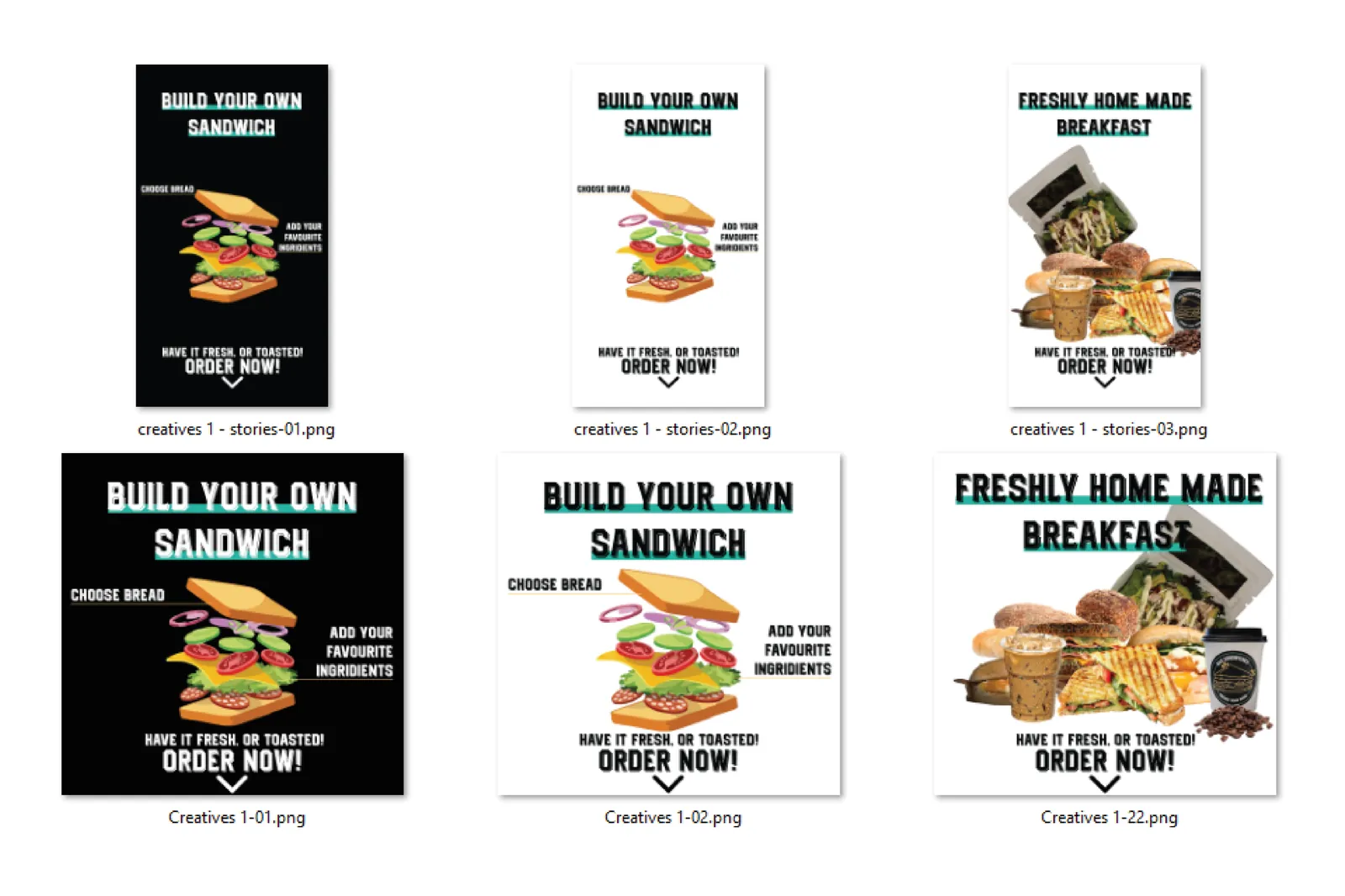
A launch campaign, then the search work that made organic their largest channel.
View case study →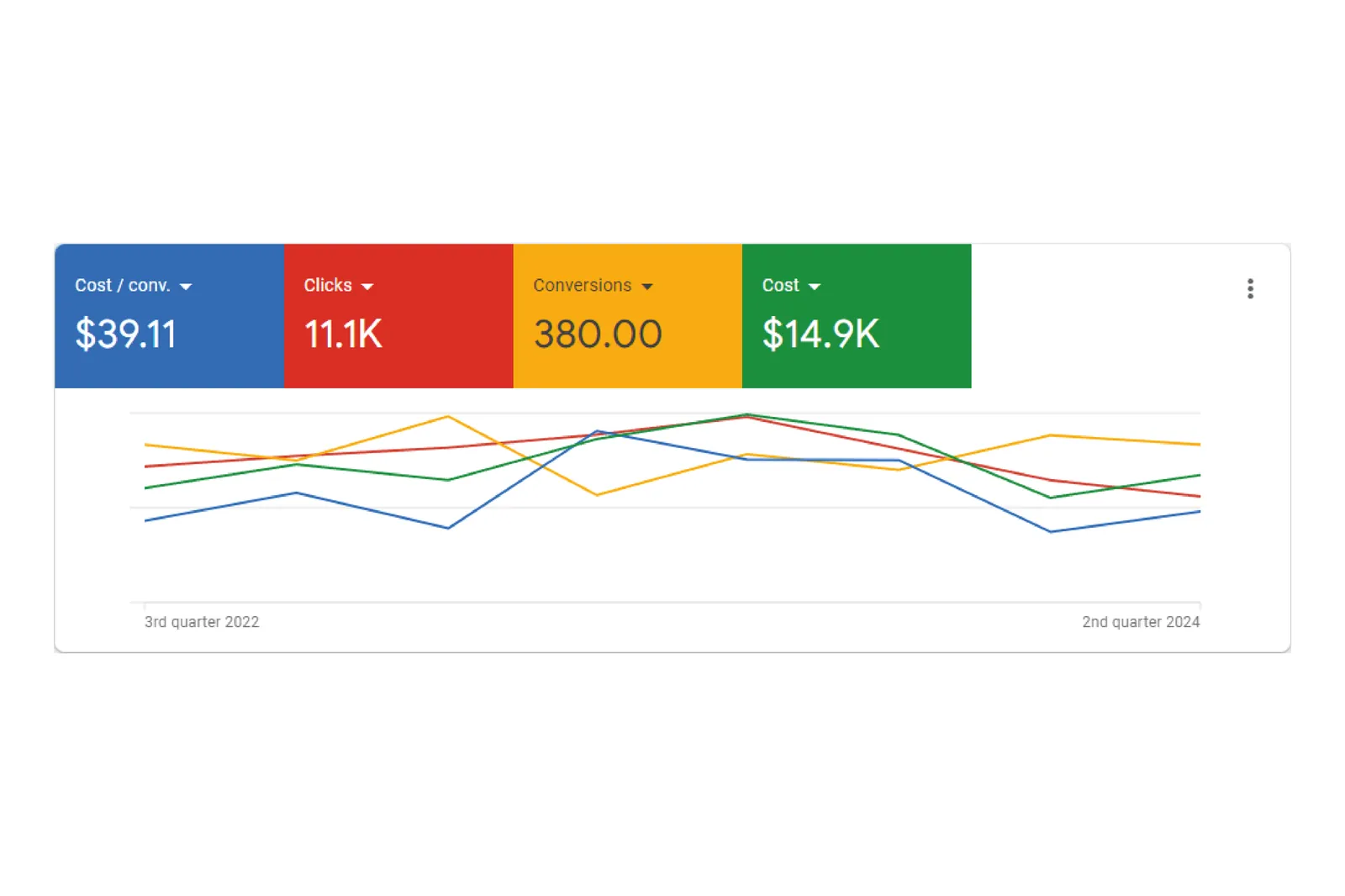
Tracking and a rebuilt account turned unmeasured ads into an enquiry every two days.
View case study →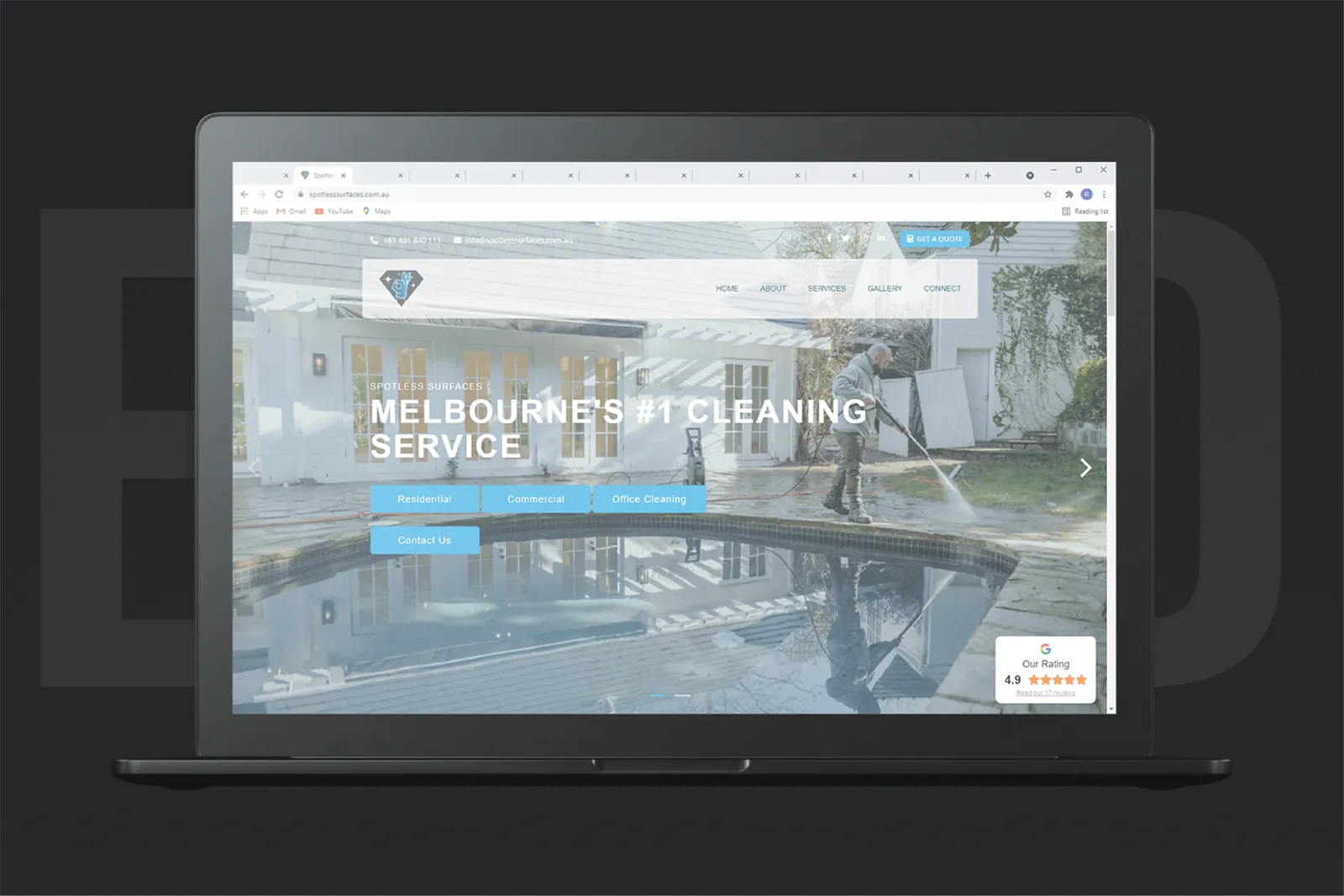
A new brand, a website with instant quotes, and a following that grew from 300 to almost 4,000.
View case study →